
- Topics 1568
- Industrial 59
- Troubleshooting Guides 32
- Restaurant Management 144
- Bar Management 70
- Catering Tips 43
- Bakery Management 44
- Food Trucks & Concessions 38
- Advertising & Marketing 41
- Eco-Friendly Tips 13
- Facility Layout & Design 47
- Coffee Shop Tips 32
- Installation & Maintenance 63
- Janitorial & Pest Control 34
- Safety & Sanitation 122
- Startup Tips 110
- Menu Design 11
- Kitchen & Cooking Tips 108
- Hospitality Management 26
- Pizza & Sandwich Shop Tips 21
- Smallwares 42
- Food Prep 102
- Tabletop Items 21
- Disposables 28
- Calculators & Tools 7
- Consumables 77
- Warewashing & Laundry 22
- Cooking Equipment 106
- Food Storage & Refrigeration 57
- Beverage Equipment 42
- Office Supplies 6

Food label stickers play a crucial role in organizing inventory, tracking expiration dates, and ensuring food safety compliance. By including key details such as ingredients, nutritional information, expiration dates, and allergen warnings on these labels, food establishments can ensure transparency and build trust with their customers. In addition to meeting regulatory requirements, food label stickers help streamline operations by enabling quick and efficient product identification and rotation when placed on food storage containers. Whether used in restaurants, cafes, grocery stores, or food manufacturing facilities, labeling stickers are a must-have tool in the foodservice industry.
Shop All Food Label Stickers
What Are Food Label Stickers?
Food label stickers are adhesive labels that convey important information about their products to customers and kitchen staff, promoting freshness and supporting food management. These stickers are typically placed on packaging or containers to provide details such as product name, ingredients, nutritional information, allergens, expiration dates, use-by dates, and barcodes. These stickers are available in permanent, removable, or dissolvable versions to suit different packaging needs. Many can be printed or written on for proper customization and efficient identification in a busy kitchen environment.
Types of Food Label Stickers
Make sure your kitchen is adhering to health code regulation by investing in the proper food label stickers for your operation. We've created a list of some of the most common foodservice stickers that can help you improve the organization and product identification in your kitchen and storefront.
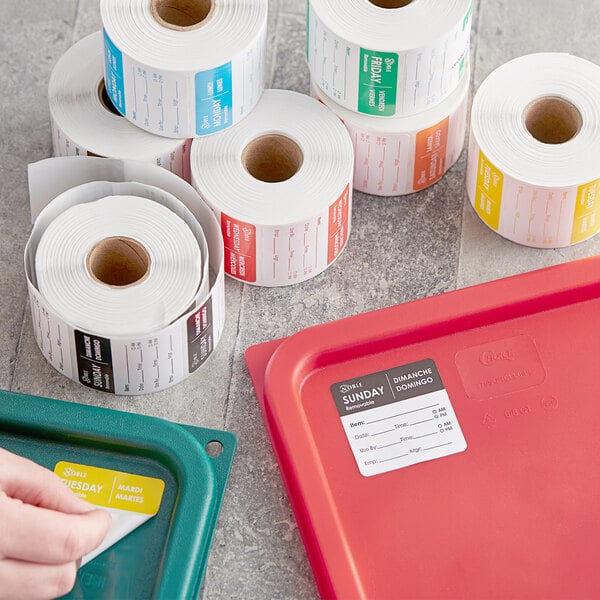
1. Date Stickers and Food Rotation Labels
Date stickers and food rotation labels are essential for food establishments to track the freshness and expiration dates of their products. These stickers typically include fields for the date the product was prepared, the expiration date, and the time it was made. Food rotation labels are designed to help businesses adhere to the first in, first out (FIFO) method of inventory management. These labels often come in different colors to represent different days of the week or months, making it easy for staff to identify when each item was stored. By using food rotation labels, establishments can minimize food spoilage, maintain inventory accuracy, and ensure that older items are used before newer ones.
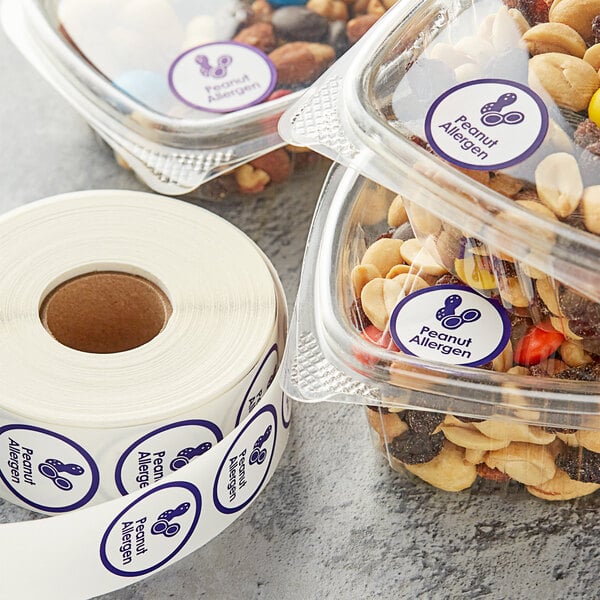
2. Retail Stickers
Retail stickers are commonly used in grocery stores, delis, and other retail establishments to display pricing information, product codes, and other relevant details. Designed to be easily visible and removable, retail stickers allow for quick and efficient updates and product identification. These labels display details such as dietary restrictions, common allergens, alcohol content, ingredients, and sales promotions. By clearly providing this information on food packaging, retail stickers help customers make informed purchasing decisions and ensure compliance with food safety regulations. Retail stickers help streamline the checkout process and enhance the overall shopping experience for customers.
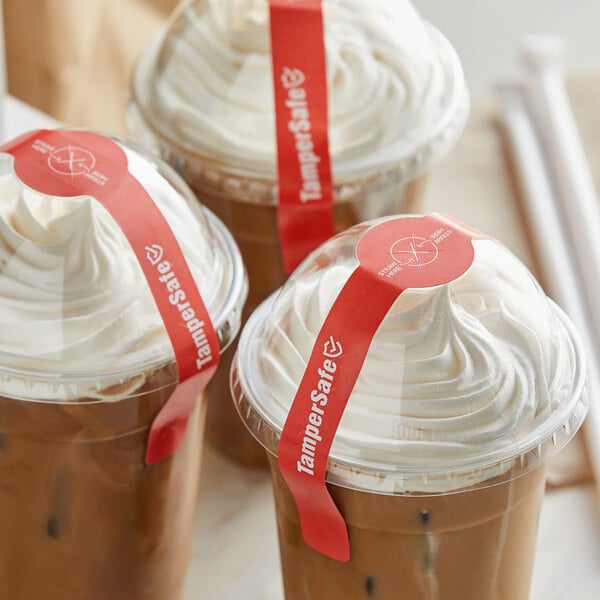
3. Tamper-Evident Labels
Tamper-evident labels are crucial for ensuring the safety and integrity of food products. These labels are designed to show visible signs of tampering if the packaging has been opened or altered before purchase. They can be placed over drink openings to prevent spills. Some tamper-evident labels can even indicate that the beverage is alcoholic and should only be enjoyed upon delivery. Place a label over the clasps of food containers to keep the lid shut in transit, or secure a food bag by adding a sticker over the fold. These labels are typically made from materials designed to tear or break when tampered with. Tamper-evident labels help to protect against contamination and unauthorized access to food items, giving both businesses and consumers peace of mind.
Adhesive Type
The adhesive type of a label determines how it adheres to various surfaces and how easy it is to remove. Here are the three main types of adhesive labels commonly used in commercial kitchens and foodservice establishments that you can choose from:
- Permanent Labels: Permanent labels securely adhere to surfaces for an extended period of time. These labels are ideal for items that do not require frequent relabeling, such as bulk storage containers or equipment. Permanent labels offer strong adhesion and durability, making them resistant to moisture, oils, and other environmental factors.
- Removable Labels: Removable labels are made to be easily peeled off surfaces without leaving behind any residue or causing damage. These labels are ideal for temporary labeling needs, such as labeling containers for catering events or marking items with expiration dates. Removable labels provide the flexibility to update information for inventory management as needed without leaving a sticky residue behind.
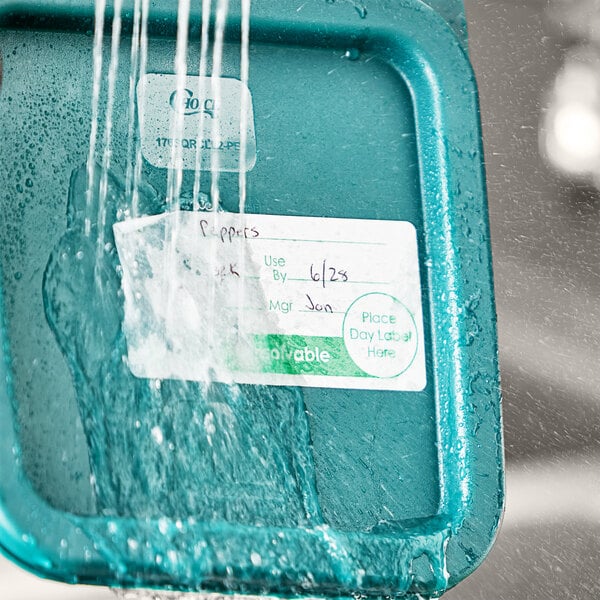
- Dissolvable Labels: Dissolvable labels are specifically designed to dissolve in water, making them ideal for labeling containers that will be washed. These labels are commonly used in kitchen store rooms and food preparation areas that experience frequent relabeling. Dissolvable labels eliminate the need for manual removal, as they disintegrate when exposed to water, simplifying the cleaning process.

Food Label Stickers Available Features
Food label stickers are made with different features to choose from, so you can find the best labels that cater to the specific needs of your business.
- Customizable Labels: Some food label stickers are customizable, allowing businesses to create labels that suit their unique requirements. Whether it's adding a logo, specific information, or color-coding for different products, customizable stickers provide flexibility in labeling practices.
- Microwavable Labels: Microwavability is another important feature for certain food label stickers, ensuring that the labels can withstand the heat of microwave ovens without peeling or fading. This feature is particularly beneficial for businesses that offer pre-packaged foods requiring reheating.
- Printable Labels: Printable food label stickers offer the convenience of on-demand printing, allowing businesses to create labels as needed. These stickers are compatible with most printers, making it easy to create professional-looking labels in-house. This feature is especially useful for businesses with frequently changing menus or products.
- Freezer-Safe Labels: Freezer-safe food label stickers are designed to adhere to frozen surfaces without losing their adhesive properties or becoming brittle. This feature is essential for businesses that store products in freezers or cold storage areas.
- Perforated Labels: Perforated food label stickers come with easy-to-tear perforations, making it simple to detach labels or show signs of tampering. This feature enhances efficiency and safety in product labeling.
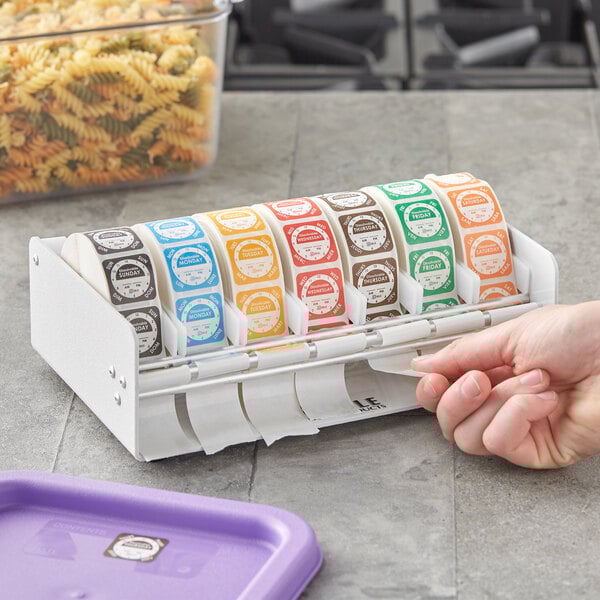
Food Label Dispenser
Label dispensers are designed to streamline the labeling process by providing a convenient way to dispense individual labels with ease. These dispensers can accommodate different label sizes and are ideal for busy kitchen environments where efficiency is key. Some common types of label dispensers include countertop dispensers, multi-label dispensers, and electric dispensers. Look for dispensers with adjustable label widths to accommodate different label sizes. Additionally, consider dispensers with non-slip bases or mounting options for stability during use. Incorporating dispensers into your food labeling process can help streamline operations, improve organization, and ensure compliance with food safety regulations. Choose the right dispenser based on your specific needs and enjoy the convenience and efficiency it brings to your foodservice establishment.
How to Label Food Items
When labeling food items in a commercial kitchen, it is essential to implement a systematic approach to ensure food safety and quality. One commonly used method is the first in, first out (FIFO) system. This system requires labeling food items with the date of receipt or preparation and organizing them in a way that ensures the oldest products are used first. By following the FIFO system, foodservice establishments can prevent food spoilage and reduce the risk of serving expired or low-quality ingredients to customers. Proper labeling allows kitchen staff to easily identify the freshness of each item, leading to better inventory management and cost control.
To effectively label food items, use the following best practices:
- Use Clear and Legible Labels: Opt for food label stickers that are clear, easy to read, and resistant to smudging or fading. This ensures that information remains visible throughout storage and handling.
- Include Essential Information: Each food label should include important details such as the product name, date prepared, use-by or expiration date, and any relevant allergen information. This information helps in tracking inventory and ensuring food safety.
- Utilize Color-Coding: Implementing a color-coding system for food labels can help staff quickly identify different categories of food items, such as allergen-free options or items with specific preparation requirements.
- Label Placement: Place food labels in a consistent and easily visible location on containers or packaging to minimize confusion and facilitate quick identification of items.
- Use Waterproof Labels: Opt for waterproof food labels, especially for items that will be stored in refrigerators, freezers, or exposed to moisture. Waterproof labels prevent smudging and ensure information remains intact.
- Utilize Dissolvable Labels: Consider using dissolvable labels for items with short shelf lives or that require frequent relabeling. Dissolvable labels easily wash off containers, reducing the risk of cross-contamination.
- Regularly Review and Update Labels: Ensure that food labels are regularly reviewed and updated to reflect any changes in ingredients, preparation methods, or expiration dates. This practice helps maintain accuracy and compliance with regulations.
- Train Staff on Labeling Procedures: Provide training to staff on proper labeling procedures to ensure consistency and accuracy in labeling food items. Well-trained staff can help prevent errors and maintain food safety standards.
- Consider Labeling Equipment: Investing in labeling equipment, such as label printers or dispensers, can streamline the labeling process, reduce errors, and enhance overall efficiency in food labeling practices.
Related Resources

September 2026 WebstaurantStore Coupon Code
Welcome September with fresh savings at WebstaurantStore! As the seasons change and your business prepares for the months ahead, now is a great time to replenish essential supplies and upgrade the equipment that keeps your operation running smoothly. Shop the featured deals below, and enter coupon code COZY26 at checkout to save up to 20% on your purchase. Start the new season with more in your budget and less on your shopping list! Looking to save even more? Check out the new Webstaurant Rewards® Visa Business Card ! Sign up for a new card today and start earning rewards on every WebstaurantStore purchase, and save on a WebstaurantPlus subscription. Use the code COZY26 for the items below to score great deals on restaurant disposables! Fro
Produce Storage Guide for Restaurants
Efficient produce storage is a critical component of running a successful restaurant. Properly storing fruits and vegetables not only ensures their freshness and quality but also helps reduce food waste , ultimately saving your establishment money. By implementing effective storage practices, restaurants can prolong the shelf life of their produce, maintain flavor and nutritional value, and minimize spoilage. Below, we explore the best practices for storing various types of produce, helping you optimize your restaurant's operations and maximize your profitability. Use these links to learn more about the different aspects of storing restaurant produce: Best Way to Store Produce How to Store Fruits and Vegetables Chart What Is Ethylene? Ethyl

Best Food Storage Container Reviews
Food storage containers maintain the freshness of your ingredients and prepared foods and keep your kitchen organized. With so many shapes, sizes, and styles available, there are plenty of options to fit your storage needs. Food storage containers are also made from different materials, lending to different storage applications. To simplify your decision-making process, we've curated a list of the best commercial food storage containers below based on industry research and feedback from our industry experts. Shop All Food Storage Containers
Join Our Mailing List
Receive coupon codes and more right to your inbox.