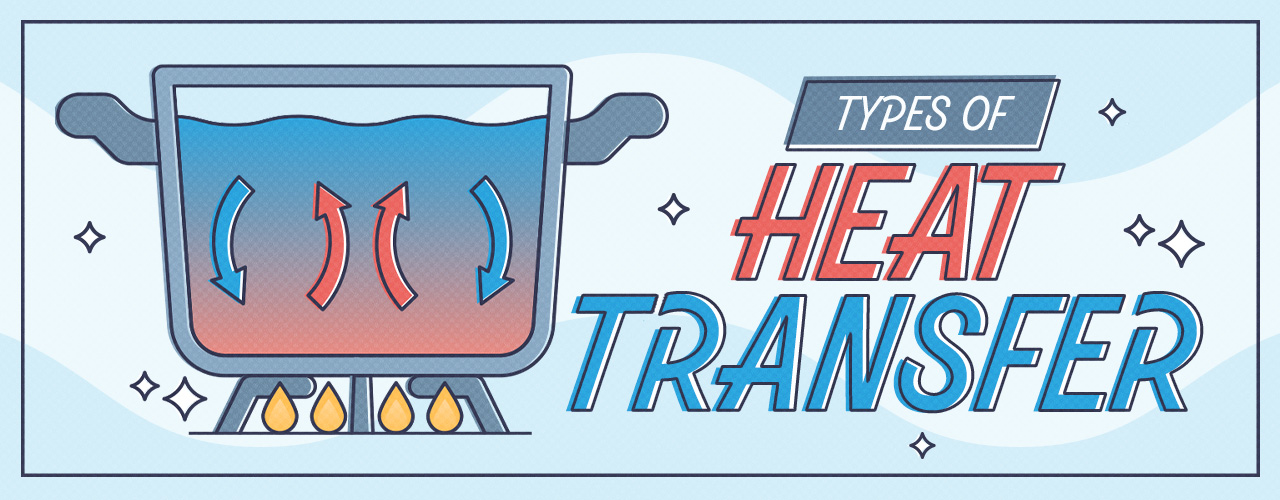
Heat transfer is essential to the cooking process, allowing you to prepare foods to the right temperature and consistency for consumption. Whether you’re grilling chicken, searing a steak, or boiling pasta, heat transfer can be observed in nearly every commercial kitchen. Understanding the different types of heat transfer is fundamental to how you cook and can significantly impact the outcome of your dishes. By gaining insight into how heat and food interact, you can enhance your culinary skills, creating delicious meals with precision and finesse.
Shop All Commercial Cooking EquipmentWhat Is Heat Transfer?
At its core, heat transfer involves the exchange of thermal energy between objects. In the context of cooking, this process commonly occurs between a heat source and food, particularly through appliances such as stoves, fryers, and microwaves. When food is exposed to heat, it undergoes a transformative process, developing distinct flavors, textures, and levels of doneness. No matter what you're cooking, the type of heat transfer you employ plays a crucial role in achieving the desired outcome.
3 Types of Heat Transfer
There are three main types of heat transfer: convection, conduction, and radiation. Each type represents a unique relationship between heat and food, producing different results. While these types are distinct, there can occasionally be crossover between them.
1. Convection Cooking
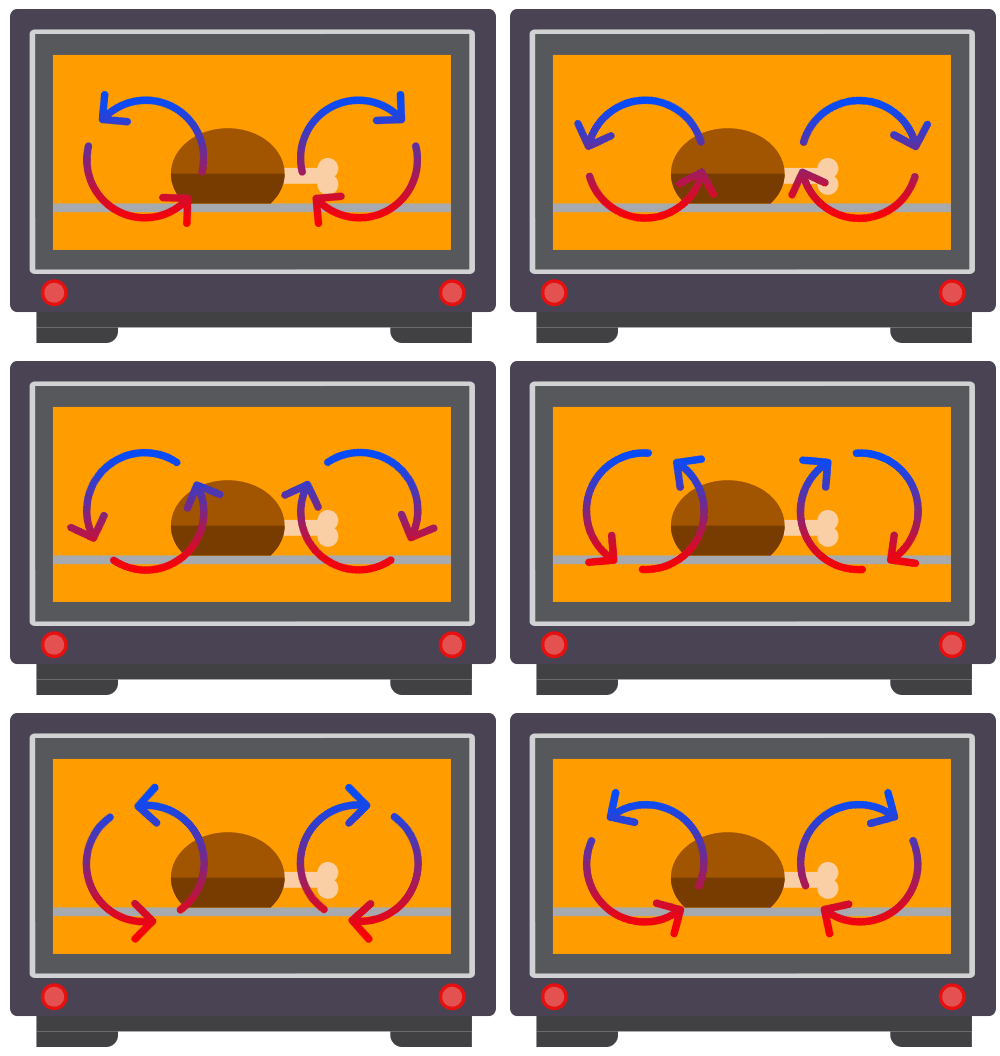
Convection cooking offers even and efficient results. As heat is applied, air circulates around the cooking chamber, causing the molecules in the air to move from warmer areas to cooler ones. Specifically, the molecules closest to the heat source become warm, rise, and are replaced by cooler molecules. This constant movement of air helps to distribute heat evenly throughout the cooking chamber, ensuring that food is cooked consistently. There are two main types of convection cooking: natural convection and mechanical convection.
- Natural convection: Natural convection occurs when molecules at the bottom of a cooking vessel rise and warm, while cooler and heavier molecules sink. This creates a circulating current that evenly distributes heat throughout the substance being prepared.
- Mechanical convection: Mechanical convection occurs when outside forces circulate heat, shortening cooking times and cooking food evenly.
Convection Cooking Examples
- Boiling water circulating within the pot
- Running cold water over frozen food
- Placing food in a convection oven
Convection Cooking Equipment
- Convection ovens
- Steam ovens
- Steam wells
- Pasta cookers
- Air fryers
- Sous vide circulators
2. Conduction Cooking
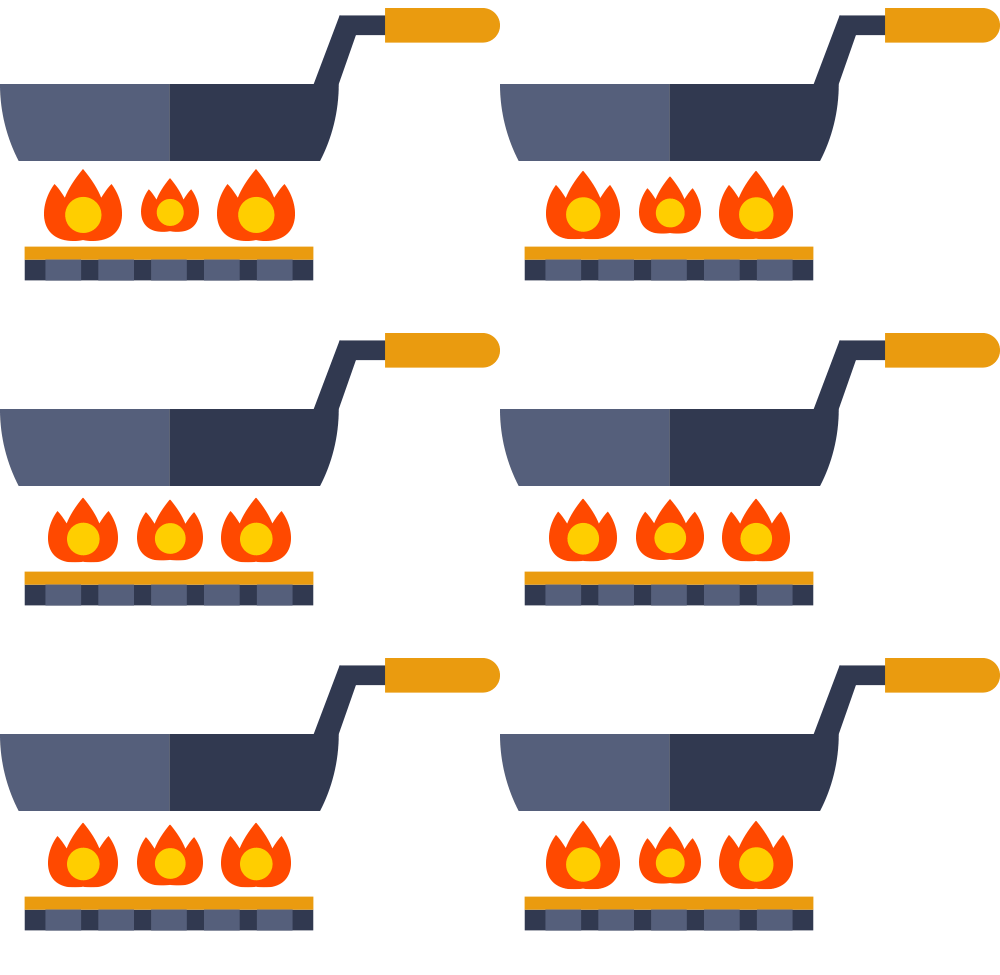
Conduction cooking involves direct contact between a heat source and the food being cooked and is considered the simplest and most common form of heat transfer. Through this process, food is cooked from the outside in, as the heat source directly heats the outer layers of the food, gradually transferring heat to the inner layers. Because of this, conduction is the slowest method of heat transfer. However, this gradual heating process allows for even cooking and helps retain the food's natural flavors and juices. It's important to note that conduction heat naturally occurs through the convection and radiation heating methods as well.
Conduction Cooking Examples
- Preparing food in a pan on the stovetop
- Frying appetizers in a deep fryer
- Preparing chicken on the grill
Conduction Cooking Equipment
- Frying pans and sauce pots
- Deep fryers
- Griddles and grills
- Panini and sandwich presses
3. Radiation Cooking
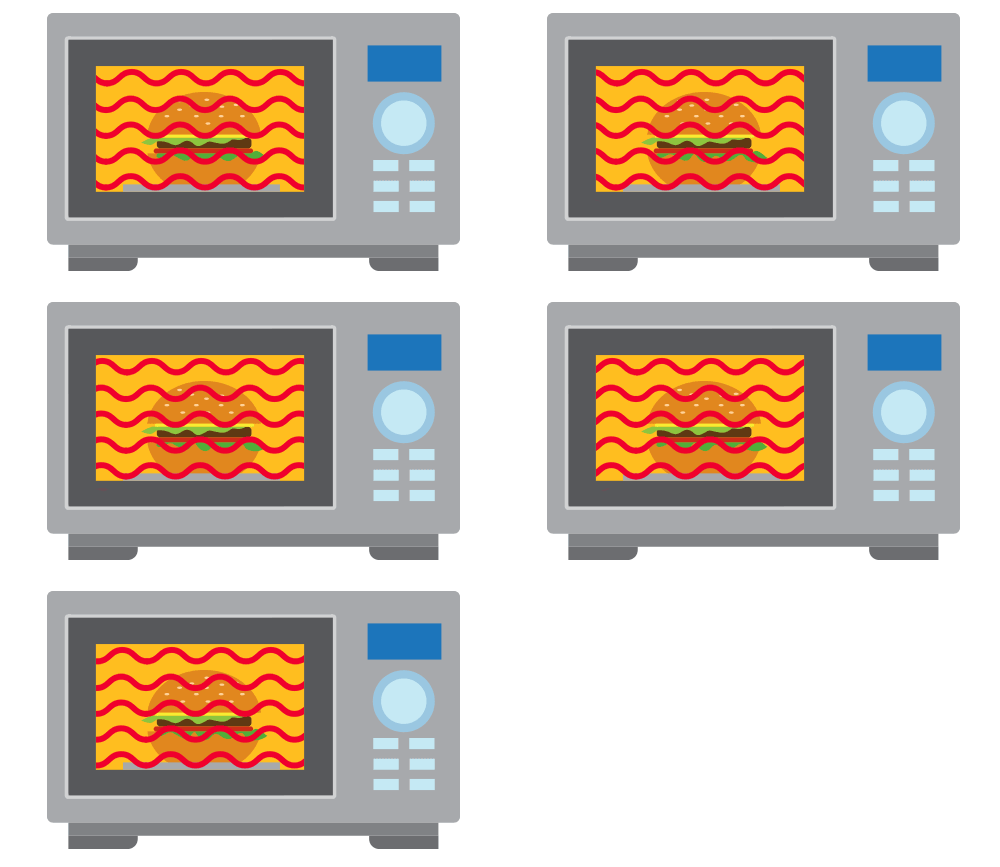
Radiation cooking involves the transfer of heat through electromagnetic waves, with the most commonly used types being microwaves or infrared waves. What sets radiation cooking apart is that there is no direct contact between the heat source and the food being cooked. Instead, foods are heated indirectly through focused radiation, allowing for quick and convenient cooking. This method is particularly useful in commercial kitchens that utilize microwave ovens, where speed and precision are crucial.
- Infrared radiation cooking: Infrared radiation utilizes an electric or ceramic heating element that gives off electromagnetic energy. These waves travel in any direction and are mainly absorbed at the surface of whatever you're preparing.
- Microwave radiation cooking: Microwave radiation utilizes short, high-frequency waves that penetrate food, agitating its water molecules to create friction, and by extension, heat. This process usually cooks food faster than infrared radiation, penetrating foods several inches deep. However, it works best for smaller batches of food.
Radiation Cooking Examples
- Toasting a bagel in the toaster
- Making s'mores over the fire
- Heating prepared foods in the microwave
Radiation Cooking Equipment
- Salamander ovens
- Char broilers
- Microwaves
- Toaster ovens
- Strip warmers
How Does Heat Affect Food?
Just as important as understanding the different types of heat transfer is recognizing the impact that heat has on food. Heat plays a crucial role in determining the consistency, doneness, and overall cooking results of your dishes. Different ingredients react differently to heat, and you must understand these distinctions to ensure that every dish on your menu is prepared to perfection.
Evaporation
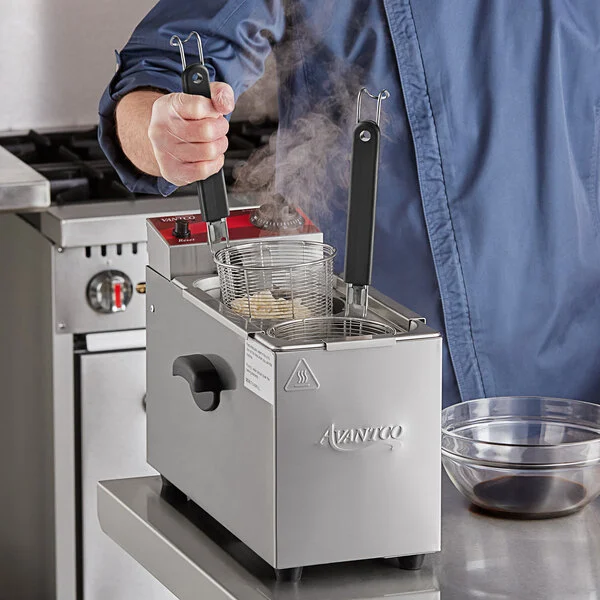
Evaporation occurs when liquids, particularly water, reach their boiling point. When heat is applied to water, the individual molecules within the liquid begin to move faster, gradually speeding up until they evaporate. At this stage, the liquid molecules transform into water vapor and are released into the surrounding environment.
Nearly all foods contain some level of water content and, as a result, can be affected by evaporation. Heat causes the water within the food to evaporate, leading to a loss of moisture. This can result in foods drying out during the cooking process, affecting their texture, flavor, and overall quality.
- Starts at: 212 degrees Fahrenheit
- Examples: Water boiling, spinach losing shape, drying out beef jerky
Coagulation

Coagulation occurs when proteins, particularly found in meat, eggs, and plants, are heated. These ingredients are primarily composed of long protein molecules. When heat is applied, these molecules start to break up and lose moisture, causing them to solidify. This solidification results in a firmer and tougher texture. This transformation is essential in creating dishes with the desired consistency and mouthfeel.
- Starts at: 140 degrees Fahrenheit
- Examples: Fried or scrambled eggs, curdling milk
Melting

Melting when exposed to heat is attributed to fats. At room temperature, fats exist in various states, including solid, liquid, or a mixture of both. However, the application of heat will always cause them to transition into a liquid form. Crucial to the culinary world is the fact that fats require exceptionally high temperatures to burn. Because of this, they are a preferred medium for cooking foods, particularly when frying or sauteing, as well as a key ingredient in countless recipes.
- Starts at: Variable depending on the type of fat
- Examples: Pan frying with oil, melting different types of butter
Caramelization

Caramelization develops rich flavors in food. It occurs when sugars are exposed to high heat, triggering a transformation that results in a range of complex, sweet flavors. This phenomenon isn't limited to the sugar we consciously add to recipes; it also affects the natural sugars present in foods.
When sugar is heated, it undergoes a chemical reaction that leads to a browning effect, imparting golden-brown color and a rich flavor profile. This browning is responsible for the enticing aroma and taste in many of our favorite foods, from decadent desserts to savory dishes. Caramelization occurs at temperatures higher than the boiling point of water, meaning foods will only caramelize when exposed to dry heat methods, such as roasting, baking, or sautéing.
- Starts at: 338 degrees Fahrenheit
- Examples: Browning creme brulee, baked goods changing color in the oven
Gelatinization

The gelatinization process occurs when starches are heated, causing them to absorb the liquid and water content around them. As a result, the starches thicken into pastes or gels, which is crucial for achieving the desired texture in soups, sauces, and other liquid-based foods. It's important to note that the gelatinization process only takes place in the presence of liquid. Simply exposing starches to heat without sufficient liquid will not lead to successful gelatinization, necessitating the right balance of solid and liquid ingredients for proper thickening and texture.
- Starts at: 150 degrees Fahrenheit
- Examples: Pasta getting larger after boiling, rice cooking in a rice cooker, corn starch thickening a sauce
Heat transfer is a delicate and precise process. Too much and your food will burn, but too little and it won't fully cook. No matter what is on your menu or how you prefer to cook, building an understanding of heat transfer and its relationship with food is essential for preparing great-tasting dishes.