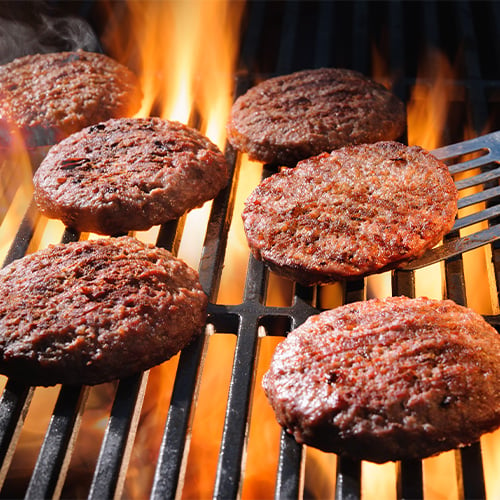
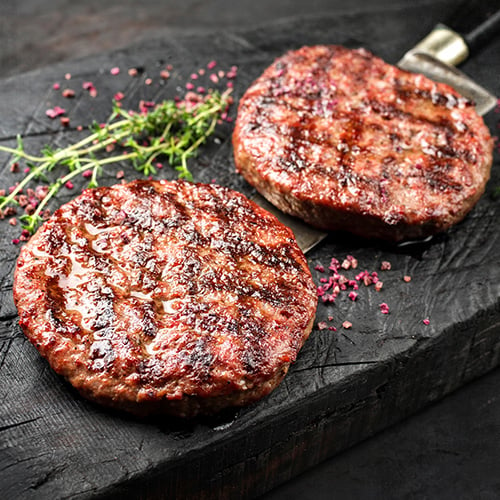
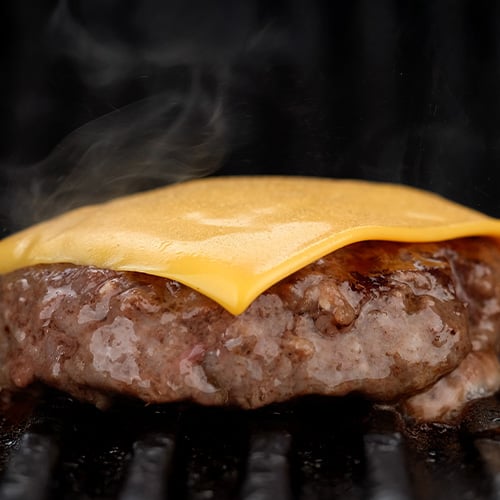
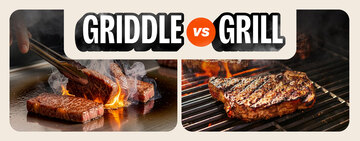
Commercial griddles and grills are two of the most common cooking equipment types used to build fast, efficient hot lines in foodservice operations. From breakfast service to burger stations, both units play a major role in how operators cook menu items consistently and keep up with demand. Choosing the right equipment starts with understanding how these machines function in a commercial setting, what kinds of foods they support, and how they fit into the workflow. A solid understanding of their uses and capabilities makes it easier to invest in equipment that supports both the menu and the day-to-day pace of service. Use these links to learn more about griddles and grills: What Is a Griddle? What Is a Grill? Differences Between Griddles and Grills FAQ What Is a Griddle? A commercial griddle is a piece of cooking equipment with a flat, heated metal surface that is used to cook food directly and evenly across the plate. Griddles are valued for their ability to handle high-turnover items like pancakes, eggs, burgers, cheesesteaks, and toasted sandwiches while giving operators a broad, accessible workspace for batch cooking. They are also often called flat top grills or simply grills, which is part of why the terms can overlap in everyday kitchen language, even though a griddle and a grate-style grill are not the same piece of equipment. Most commercial griddles are powered by gas or electricity and are built in countertop or floor models to match the output needs and footprint of the operation. Because they provide full surface contact instead of cooking over grates, top griddle models are especially useful for foods that need a uniform sear, controlled browning, or a stable surface for spatula work during service. What to Cook on a Griddle Use a commercial griddle for foods that benefit from full-surface contact, steady heat, and quick spatula handling during service. Its flat plate makes it especially useful for high-volume breakfast production, sandwich assembly, and proteins that need even browning without flare-ups. Breakfast Foods: Griddles are a staple for eggs, pancakes, French toast, hash browns, and bacon because they provide an open cooking area that supports fast batch cooking and easy flipping. This makes them especially useful in diners, hotels, cafeterias, and breakfast-focused restaurants. Burgers and Sandwiches: Smash burgers, cheesesteaks, grilled cheese, quesadillas, and toasted buns all perform well on a griddle because the flat surface promotes uniform crust development and even heat transfer. Operators can also work several components side by side, which helps speed up ticket times. Proteins and Seafood: Chicken breasts, sausage, sliced steak, fish fillets, and other portioned proteins can be cooked on a griddle when controlled browning and moisture retention matter. Since there are no open grates, smaller or more delicate items are easier to manage. Vegetables and Sides: Onions, peppers, mushrooms, and fried rice-style side items cook well on a griddle because the broad surface allows ingredients to be spread out and turned quickly. Benefits of Using a Griddle Griddles give commercial kitchens a large, versatile cooking surface that can keep pace with steady service. This results in faster production, easier handling, and more menu flexibility from a single piece of equipment. Even Surface Contact: A griddle cooks food directly against a solid plate, which helps create consistent browning across the entire product. This is important for items like pancakes, burgers, and sandwiches, where appearance and texture need to stay uniform. High-Volume Output: The wide cooking area allows staff to prepare many portions at once without crowding the line. That added capacity supports rush periods in restaurants, concession stands, school cafeterias, and other fast-moving operations. Versatile Menu Use: Griddles can cover breakfast items, lunch proteins, sandwiches, and vegetables on the same unit, which makes them a strong fit for kitchens with broad menus. This flexibility can reduce the need for extra specialized equipment. Easy Access During Cooking: Because the cooking surface is flat and open, staff can flip, scrape, portion, and move food quickly with basic griddle tools. That layout supports faster workflows than equipment with enclosed chambers or narrow cooking zones. Controlled Grease and Debris Management: Many commercial griddles include grease troughs or collection drawers that help manage runoff during production. This can simplify cleanup and help keep the cooking surface workable throughout service. Types of Griddles Commercial griddles come in several configurations, each designed for different installation needs, fuel preferences, and service styles. The best type depends on the kitchen layout, required output, and the kind of menu the equipment is expected to support. Electric Griddles: Powered by internal heating elements, electric griddles are often chosen for their steady temperature control and simpler installation requirements. They are a practical option for kitchens without a gas connection or for operators who want more precise surface heating. Gas Griddles: Gas griddles heat the plate with burners underneath, making them a common choice in fast-paced commercial kitchens. Many operators prefer gas units for their strong heat recovery and their ability to keep up with breakfast, sandwich, and burger production. Outdoor Griddles: Built for exterior cooking environments, outdoor griddles are useful for patios, catered events, mobile setups, and live-cooking stations. They give operators the flexibility to expand production beyond the main kitchen while still offering the functionality of a flat-top surface. Teppanyaki Griddles: Designed for presentation-oriented cooking, teppanyaki griddles are often installed in front-of-house dining spaces where the preparation is part of the guest experience. They are commonly used for meats, rice, noodles, and vegetables that are cooked directly in view of customers. Drop-In Griddles: Drop-in griddles are installed directly into a counter or cooking suite for a built-in, streamlined workspace. They are often used in custom kitchen lines where operators want a cleaner footprint and a more integrated station layout. Induction Griddles: Rather than relying on traditional burners or heating elements, induction griddles use electromagnetic technology to generate heat efficiently. They are often considered in operations looking for tighter temperature control, lower ambient heat, and a more modern cooking setup. Shop All Griddles What Is a Grill? A commercial grill is a cooking unit that cooks food on raised grates positioned over a heat source such as gas, charcoal, or electricity. Grills are used to produce the browned exterior, grill marks, and slight smoky flavor that operators want for foods like burgers, steaks, chicken, sausages, and vegetables. The open-grate design allows fat and juices to fall away from the product, which can change both texture and flavor compared with flat-surface cooking. Commercial grills come in several formats with many different parts, from countertop charbroilers to larger outdoor units, giving restaurants a way to match grill style to menu focus, output needs, and kitchen layout. What to Cook on a Grill A commercial grill is best for foods that benefit from open-grate cooking, direct heat, and a more pronounced charred exterior. This makes grills a strong fit for center-of-plate proteins, sandwiches, and menu items where appearance and flame-kissed flavor help drive value. Steaks and Chops: Grills are commonly used for steaks, pork chops, and similar cuts because the grates create defined sear marks while allowing excess fat to drip away. This helps produce the texture and presentation many steakhouses, pubs, and full-service restaurants want. Burgers and Sausages: Burgers, bratwurst, hot dogs, and house sausages cook well on a grill because direct heat helps develop a browned crust and a more robust grilled flavor. These items are especially common in sports bars, concession stands, and casual dining operations. Chicken and Seafood: Chicken breasts, thighs, shrimp, salmon, and firmer fish fillets are often grilled when operators want a lighter char and firmer surface texture. The best grills add visual appeal that works well in plated entrees and premium sandwiches. Vegetables and Flatbreads: Peppers, zucchini, onions, corn, and certain flatbreads perform well on a grill when the goal is light blistering and smoky flavor. These items are often used as sides, toppings, or components in Mediterranean, Mexican, and American menus. Benefits of Using a Grill The main benefit of a grill is that it gives food a distinct charred flavor and marked finish that flat cooking equipment cannot fully replicate. That difference can shape menu identity, support premium pricing, and help certain signature items stand out. Grilled Flavor Profile: The open cooking surface exposes food to direct heat, which helps create a deeper roasted flavor and slight smokiness. That taste is a major selling point for burgers, steaks, chicken, and vegetables. Appetizing Presentation: Grill marks add visual contrast that customers often associate with freshly cooked, made-to-order food. This can improve perceived quality without requiring complicated finishing steps. Fat Runoff During Cooking: Since the grates sit above the heat source, grease and juices can drain away from the product as it cooks. This can help create a less greasy finished item and a firmer outer texture on certain foods. Strong Fit for Protein-Heavy Menus: Grills are especially useful in kitchens built around burgers, steaks, grilled chicken, and similar entrees. When a menu depends on charred proteins, a grill is often a more natural fit than a flat-top unit. Types of Grills Each commercial grill is designed around a specific cooking style, menu niche, or installation environment. The right type depends on whether the operation is focused on open-air cooking, high-volume protein production, pressed sandwiches, or specialty items. Outdoor Grills: Common in patios, catering setups, and live-fire service areas, outdoor grills give operators a way to cook outside the main kitchen while still producing a familiar grilled finish. They are especially useful for events, seasonal service, and concepts that want grilling to be part of the customer experience. Charbroilers: As one of the most common indoor commercial grill types, charbroilers use grates positioned over burners to cook meats and vegetables with a charred exterior. They are a strong fit for restaurants that rely on a steady output of burgers, steaks, chicken, and other grilled entrees. Shop All Grills Differences Between Griddles and Grills The main difference between a griddle and a grill is that a griddle cooks on a flat metal plate, while a grill cooks on raised grates over an open heat source. That design change affects how food browns, how grease is handled, what textures the equipment produces, and which menu items each unit supports best. The choice between a griddle and a grill often comes down to whether the operation needs flat-surface versatility or a more pronounced grilled finish. Understanding these distinctions helps operators choose equipment that fits their menu, service pace, cleaning routine, and available line space. Cooking Surface: A griddle uses a smooth, solid plate that keeps food in full contact with the heated surface, while a grill uses grates that leave space between the food and the heat source. This changes how heat reaches the product and what kind of exterior the food develops. Finished Texture: Griddles produce even browning and a more uniform crust across the full surface of the food, which works well for pancakes, eggs, burgers, and sandwiches. Grills create sear marks and a firmer, more charred exterior that is often preferred for steaks, chicken, and grilled vegetables. Flavor Development: Food cooked on a griddle usually keeps more of its juices and cooks in closer contact with rendered fats, which can deepen surface browning. Food cooked on a grill often picks up a more roasted, flame-driven character because grease falls away from the product instead of staying on the cooking surface. Grease Management: On a griddle, grease stays on the plate until it is directed into a trough or collection area, so staff need to manage the surface during cooking. On a grill, much of the grease drops below the grates, which can reduce surface pooling but may also introduce flare-up concerns depending on the equipment. Cleaning and Upkeep: Griddles are typically cleaned by scraping and clearing grease from the plate surface, which can be done throughout service as buildup occurs. Grills often require brushing the grates and cleaning below the cooking surface, which can be more involved because grease and debris fall underneath during use. Kitchen Fit: Operations that need one versatile surface for multiple dayparts and menu categories often favor griddles. Grills are a stronger fit for kitchens built around burgers, steaks, grilled chicken, or any concept where charred flavor and presentation are part of the product identity. FAQ Below, we answer some of the most common questions regarding griddles and grills: Do You Need Both a Griddle and a Grill? You do not always need both a griddle and a grill, because the right choice depends on your menu, service style, and available kitchen space. Many operators can run efficiently with just one if their cooking needs are focused, such as a breakfast concept using a griddle or a burger-and-steak menu built around a grill. Kitchens with broader menus, multiple dayparts, or a stronger need for flexibility may benefit from having both so they can handle a wider range of products without forcing one unit to cover tasks it is not best suited for. Charbroiler vs Griddle A charbroiler cooks food on grates over open heat, while a griddle cooks on a flat metal plate. This means a charbroiler is usually the better fit for menu items that need grill marks, charred flavor, and fat runoff, while a griddle is better for foods that require full surface contact, even browning, or easier spatula work. Choosing between a charbroiler and griddle usually comes down to whether the kitchen prioritizes grilled presentation or flat-top versatility. Are Steaks Better on a Grill or Griddle? Steaks are usually better on a grill when the goal is visible grill marks, a firmer charred exterior, and the flavor profile many guests expect from a grilled steak. A griddle can still be an excellent option when the kitchen wants a more even crust across the full surface of the meat, tighter control over rendered fat, or a steakhouse-style sear without open grates. The better choice depends less on which method is universally superior and more on the finished texture, appearance, and workflow that best match the concept. Choosing between a commercial griddle and grill is ultimately a decision about how the kitchen needs to perform during service. The right unit should match the operation’s menu, pace, and physical layout while supporting consistent execution instead of forcing staff to work around equipment limitations. When the equipment matches the menu and service rhythm, cooks can move faster, the line runs more smoothly, and finished items come out with the texture and appearance guests expect.