The primary material difference between porcelain and bone china is the presence of bone ash in bone china. That addition changes the body’s color, translucency, and mechanical strength, affecting breakage rates, long-term replacement costs, and the perceived value of customers' dining experience. Below, we evaluate both materials on the important points of their ability to withstand heat, breakage rates, and practical safety for commercial dishwashing. Understanding these distinctions is essential for selecting tableware that can withstand the daily requirements of your service environment while being the most cost-effective investment.
What Is Bone China?
Bone china is one of the most expensive types of china, distinguished by its unique composition of bone ash. It typically contains at least 30% bone ash, combined with china clay and china stone. This formula is fired at an extremely high temperature, resulting in a tableware that is strong and durable despite its delicate, translucent appearance. This translates to plates and cups that can withstand the high-impact demands of a busy dining room and commercial dishwashing cycles better than standard porcelain. Its inherent strength allows for thin, light weight designs that reduce breakage, offering a premium look without sacrificing practical resilience.
What Is Bone China Made Of?
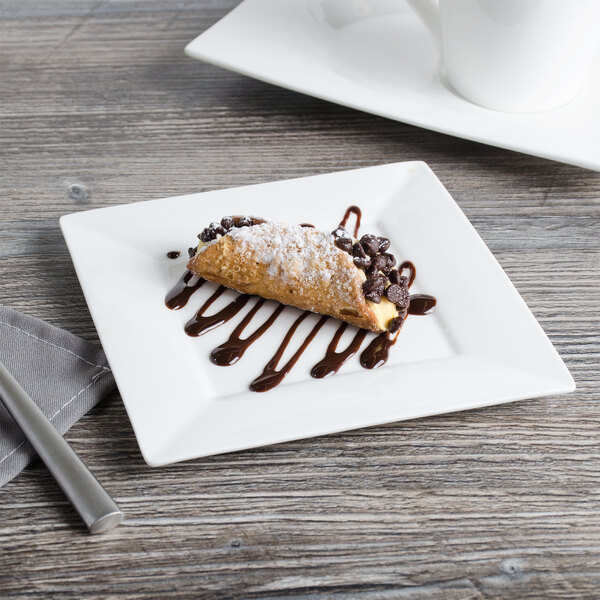
Bone china is composed of approximately 30-50% bone ash, combined with china clay (kaolin) and china stone (feldspathic rock). The bone ash, derived from cattle bones, is what gives the fired ceramic its unique milky whiteness, translucency, and superior strength compared to other ceramics. Its mineral-based composition is what enables it to endure the requirements of a commercial environment.
Is Bone China Oven Safe?
Most modern, high-quality bone china dinnerware is oven-safe for typical foodservice uses such as warming plates or finishing dishes, provided you follow the manufacturer’s temperature limits. However, like all ceramics, bone china is vulnerable to thermal shock if you expose it to sudden, extreme temperature changes.
Can You Microwave Bone China?
Most undecorated bone china is safe for microwave use, as its non-porous body doesn’t strongly interact with microwave energy. However, any metallic detailing, such as platinum or gold rims, can cause arcing and poses a safety hazard. For operational efficiency and safety, insist on plain white or non-metallic patterned pieces for your kitchen.
Is Bone China Dishwasher Safe?
Bone china is highly resistant to the harsh detergents and high temperatures of commercial dishwashers, making it an excellent choice for high-volume operations. Its vitrified, non-porous surface and durable glaze prevent clouding and scratching from repeated machine washing, ensuring a long service life and reducing replacement frequency.
What Is Porcelain?
Porcelain is a ceramic material created by heating refined clay, primarily kaolin, and minerals like feldspar or quartz to exceptionally high temperatures until it vitrifies (converts into a glass-like substance). This process results in a hard, non-porous, and highly durable product that is more resistant to chips and scratches than earthenware or stoneware. This makes porcelain a dependable workhorse for daily service in both casual and fine dining, offering a balance of elegant weight and practical resilience. Its dense surface also provides resistance to staining from sauces and oils, ensuring a consistently professional appearance over time.
What Is Porcelain Made Of?
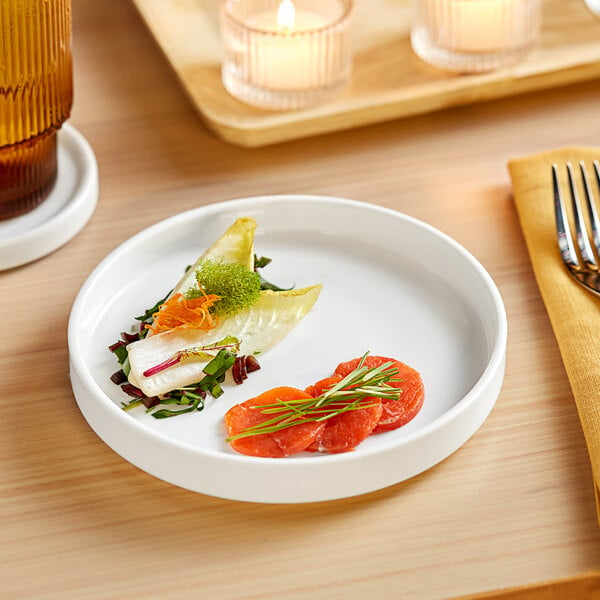
Porcelain is crafted from a specific mixture of fine kaolin clay, silica, and feldspathic material, which acts as a flux. When fired at temperatures often exceeding 1400 degrees Celsius, these ingredients fuse to create a hard, vitrified, and non-absorbent material. This composition is the source of its notable chip resistance and ability to maintain a pristine surface despite heavy use.
Is Porcelain Oven Safe?
Most fully vitrified porcelain lines sold for commercial foodservice are oven-safe within specified temperature ranges. However, the same thermal-shock rules apply as with bone china, meaning its important to avoid rapid swings in temperature.
Can You Microwave Porcelain?
Undecorated porcelain is microwave-safe, as its dense, non-porous body doesn’t strongly interact with microwave energy. For kitchen safety and equipment protection, always avoid pieces with metallic paints or glazes, which can cause sparking.
Is Porcelain Dishwasher Safe?
Porcelain’s non-porous, glazed surface is designed to withstand the aggressive cycles of a commercial dishwasher without fading or deteriorating. Its hardness resists abrasion from other ware and harsh detergents, ensuring a long operational life. This durability makes it a cost-effective, low-maintenance option for high-volume cleaning.
Difference Between Porcelain and Bone China
The critical difference between porcelain and bone china lies in their composition and the resulting durability, which directly impacts their performance and cost in a foodservice setting. While both are high-quality ceramics, their material makeup dictates their weight, strength, and resistance to the demanding environment of a commercial kitchen.
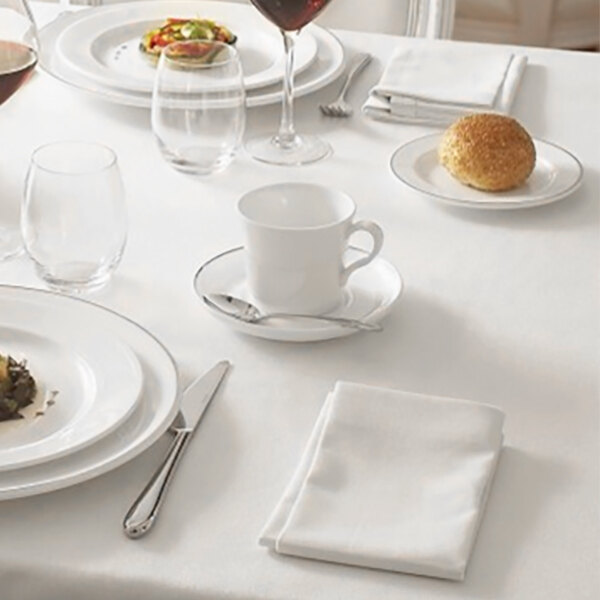
- Composition and Strength: Bone china incorporates bone ash, meaning it can be more chip-resistant than many standard porcelain lines of similar thickness. This gives bone china a significant advantage in bustling dining rooms where plates are frequently handled, stacked, and washed, leading to fewer replacements over time.
- Weight and Feel: Despite its superior strength, bone china is typically lighter and thinner than porcelain due to the bone ash content. This reduces strain on service staff carrying large trays and can create a more refined, high-end dining experience for the guest.
- Cost Implications: Porcelain typically presents a lower initial purchase price, making it an attractive option for operations with tight upfront budgets. Bone china, while often more expensive initially, can prove more cost-effective in the long run due to its durability and reduced breakage rate.
Is Porcelain or Bone China Better for Everyday Use?
For the rigorous demands of everyday commercial use, bone china often proves superior due to its exceptional chip resistance. While both materials are durable, bone china's composition allows it to better withstand the constant impact of stacking, scraping, and commercial dishwashing. However, high-quality porcelain remains a robust and more budget-friendly alternative for operations where initial investment price is a higher priority than ultimate strength.
Which Is More Expensive Bone China or Porcelain?
Bone china typically commands a higher initial price point than porcelain due to its more complex manufacturing process and cost of materials. This makes porcelain the more accessible option for initial outfitting, but bone china's longevity and lower breakage rate can lead to a lower total cost of ownership over years of heavy use, offsetting the upfront investment.
Porcelain and Bone China FAQ
Below, we answer some of the most common questions regarding porcelain and bone china.
How to Tell Bone China from Porcelain
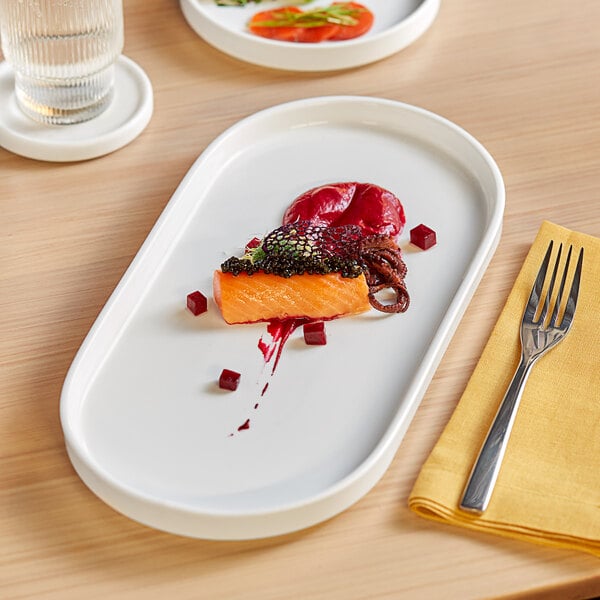
One clue to tell the difference between the two is to hold a piece up to a strong light, as often bone china will exhibit a distinct translucency with a warm, creamy glow. Porcelain is generally opaque. You can also gently tap them. Bone china produces a clear, resonant ring with a longer chime compared to the sharper, shorter ring of porcelain. Checking the manufacturer's specification on the backstamp is the most definitive verification method.
Bone China vs Fine China
"Fine china" is a broad term for high-quality ceramic, while bone china is a specific type of fine china containing bone ash. The critical distinction for operators is that bone china is inherently stronger and more durable than fine china variants that do not contain bone ash, making it the more practical investment for a high-turnover establishment.
What Is Fine Bone China?
"Fine bone china" is not a separate category but typically denotes a higher grade of bone china, often with a finer finish, more intricate designs, or from a premium manufacturer. For procurement purposes, you should still confirm it meets the standard of containing at least 30% bone ash to ensure you are getting the durability expected from the material.
What Is Bone Ash?
Bone ash is a calcined material made by burning cattle bones at a very high temperature to remove all organic material, which is then ground into a fine powder. In bone china, this ash acts as a powerful flux, allowing the clay to vitrify at a lower temperature and creating a unique molecular structure that results in exceptional strength and translucency.
Your final choice between porcelain and bone china is ultimately determined by which material's strengths best match the specific demands of your service flow and budget reality. Bone china offers superior endurance against breakage for high-turnover establishments, while porcelain provides robust thermal reliability at a more accessible entry cost. Select the ceramic that not only withstands your kitchen's daily rigors but also actively supports the operational efficiency and food presentation you aim to deliver.