
A staple in Mexican cuisine, burritos are not only delicious but also customizable, making them a hit among customers all over the globe. We'll walk you through the step-by-step process of wrapping a burrito, ensuring that each one is tightly sealed and ready to be served. From selecting the right tortilla to filling it with an array of ingredients, our guide will help you add this popular and versatile dish to your menu.
Shop All Mexican Restaurant SuppliesHow to Wrap a Burrito Video
Watch the video below for a visual overview of the step-by-step process on how to wrap a burrito!
How to Fold a Burrito
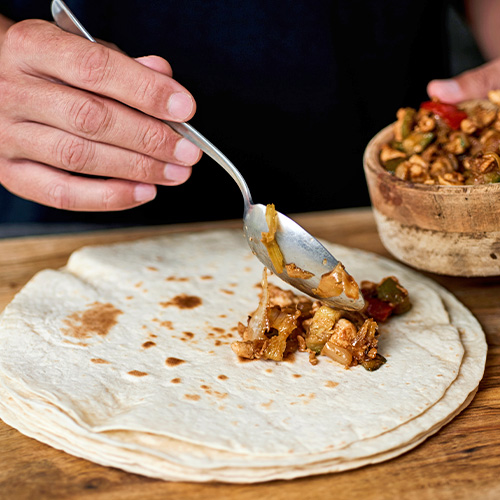
When it comes to wrapping a burrito, the folding technique plays a crucial role in ensuring that the ingredients stay secure and the burrito maintains its shape. Follow the steps below to learn how to roll a burrito:
- Warm the Tortilla: Start by warming your tortilla with a tortilla steamer. If you don’t have a steamer, warm your tortilla in a hot pan for 30 seconds on either side. You can also microwave the tortilla for 20 seconds covered in a wet paper towel.
- Lay out Fillings: Place your warm tortilla on a clean, flat surface. Make sure you have all your fillings ready to go using the mise en place method.
- Fill the Tortilla: Spoon your fillings onto the center of the tortilla. Be mindful not to overfill the burrito, as it may become difficult to fold and eat.
- Fold the Sides: Fold the sides of the tortilla inward towards the center but not overlapping. This step helps to enclose the ends of the burrito.
- Fold the Bottom: Fold the bottom edge of the tortilla up and over the fillings, tucking it tightly underneath. This will create a barrier to prevent any fillings from falling out.
- Roll the Burrito: Roll the tortilla from the bottom edge towards the top, applying gentle pressure to ensure a tight and compact burrito. Continue rolling until the entire tortilla is wrapped around the fillings, forming a neat cylinder shape.
- Crisp the Tortilla: As an optional step, you can place the wrapped burrito in a hot pan or sandwich press for 1-2 minutes to seal the fold and brown the tortilla for additional flavor.
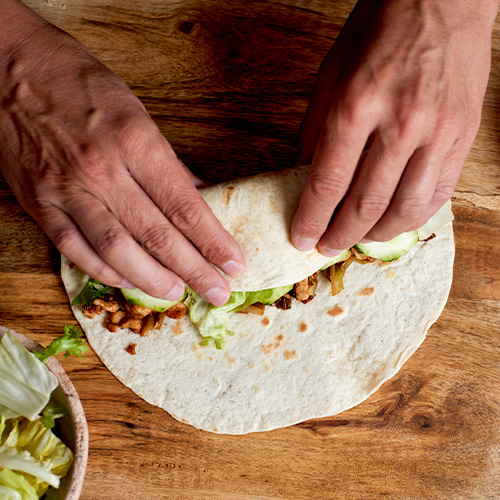
Instead of cutting the burrito down the middle like wraps, it is better to serve them whole to keep them neat and prevent ingredients from falling out.
Best Tortillas for Burritos
The best tortillas for burritos are typically large and flexible, allowing for easy folding and wrapping. Flour tortillas are the most common choice, as they are soft and pliable, making them ideal for wrapping fillings tightly. Flour tortillas are pressed into 12" circles to provide ample room for burrito fillings. Corn tortillas can also be used for a more traditional taste and texture. It's important to warm the tortillas before wrapping them to prevent them from cracking or tearing.
Types of Burritos
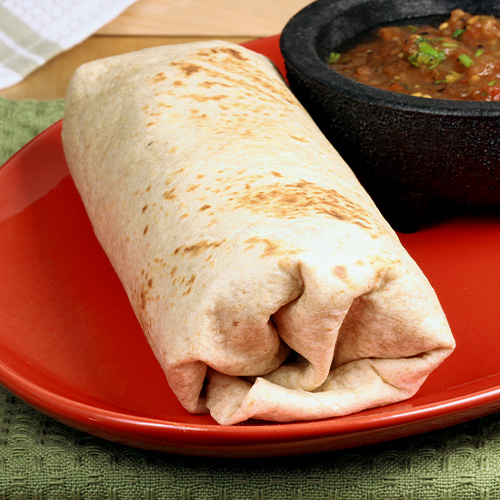
Burritos are highly customizable, making them a perfect addition to your menu. Here are some of the most popular types of burritos you can use as inspiration:
- Guisado-Style Burrito: braised beef, pork, or chicken, stewed and paired with vegetables
- Bean and Cheese Burrito: refried beans and melted cheese
- Tex-Mex Burrito: ground beef, refried beans, cheese, lettuce, tomatoes, and sour cream
- California Burrito: grilled or marinated carne asada, french fries, cheese, guacamole, and types of salsa like pico de gallo
- Barbacoa Beef Burrito: slow-cooked shredded beef, rice, beans, with toppings such as salsa, guacamole, and cilantro
- Chipotle Chicken Burrito: grilled chicken seasoned with smoky chipotle peppers and spices, paired with rice, beans, and cheese
- Breakfast Burrito: scrambled eggs, breakfast meats, cheese, and fillings like potatoes, peppers, onions, and salsa
Whether you're serving burritos in a restaurant, food truck, or catering business, taking the time to wrap them correctly will enhance the overall dining experience for your customers. By following these steps, you can ensure that your burritos are neatly wrapped, making them easier to handle and more visually appealing to customers.
Related Resources

Spanish Restaurant Vocabulary to Teach Your Staff
A foodservice kitchen is a bustling environment, often with a diverse group of people filling an array of restaurant roles and responsibilities. Because of the number of employees needed to ensure a kitchen operates smoothly, it is not surprising that many restaurant businesses regularly encounter a language barrier between staff members. Spanish is one of the most widely spoken languages in the foodservice industry after English, so teaching your staff Spanish restaurant vocabulary can help create a more efficient and inclusive work environment. We have compiled a list of the most common Spanish phrases to share with your restaurant staff that can help improve communication overall. Check out our printable restaurant Spanish vocabulary sheet below. Print Spanish Vocabulary PDF Click below to learn more about kitchen Spanish in restaurants: Importance of Restaurant Spanish Incorporating Restaurant Spanish Vocabulary Spanish for Restaurant Workers Spanish Food Words for Restaurants Kitchen Items in Spanish Restaurant Locations in Spanish Spanish Customer Service Phrases for Hosts Spanish Restaurant Phrases for Waiters Spanish Restaurant Vocabulary Check out our video to learn some commonly used Spanish restaurant phrases: <iframe scrolling="no" width="392" height="226" src="/v/?num=15221&width=600&height=500&embed=1" frameborder="0"></iframe> Importance of Restaurant Spanish Per the Bureau of Labor Statistics, 25.9% of restaurant industry workers in the U.S. are Hispanic or Latino. With such a high percentage, most restaurants in the nation will likely employ at least one Spanish-speaking worker at any given time. The following are just some of the reasons why it is important to teach your staff Spanish kitchen words and phrases: 1. Workplace Inclusivity A language barrier can cause employees to feel excluded from both casual and important conversations in a work setting. Even if someone is bilingual, it can be frustrating to struggle to find the right words to communicate. When English-speaking staff members learn kitchen Spanish phrases, it creates a mutual connection between employees and reduces the number of times a Spanish speaker may flounder looking for ways to communicate with their peers. 2. Create a Learning Environment When your staff members are dedicated to learning kitchen Spanish words, your Spanish-speaking employees will have the opportunity to teach those around them. This will also allow them to feel more comfortable learning English with each staff member working towards bettering their vocabulary, comprehension, and pronunciation. This creates a more forgiving environment where each person is safe to make mistakes and has permission to struggle while learning a new language. 3. Reduction of Miscommunications and Errors A kitchen is a fast-paced environment and it is easy for miscommunication to occur, even when everyone speaks the same language. A language barrier can be the source of incorrect orders, kitchen accidents, and daily stress. When you teach kitchen Spanish, you keep your staff on the same page, improve the flow of overall communication, and reduce the potential for errors. 4. Team Building and Trust If your English-speaking staff is learning Spanish, this could be a good opportunity for them to see their Spanish-speaking peers as resources. It's a great way to level the playing field in the kitchen and build comradery through language learning. These language lessons can also build morale and trust amongst the team as they work together to create a more inclusive work environment. 5. Career Building Opportunities Spanish-speaking and bilingual employees may end up feeling stuck in their careers because the resources to advance remain out of reach due to a language barrier. Removing the language barrier creates a safe space for everyone to practice a second language and learn new skills. With the skills necessary and a better grasp of the English language, Spanish-speaking employees can more easily work towards promotions and advancements in the foodservice industry. Incorporating Spanish Restaurant Vocabulary in Your Business To work towards creating a bilingual kitchen, we’ve put together some suggestions to help you make restaurant Spanish a priority in your restaurant: 1. Include Kitchen Spanish during Training When onboarding new employees, try to incorporate Spanish restaurant phrases from day one. This will emphasize the importance of both languages in your kitchen and help set a precedent early. Teach your new staff kitchen slang and important restaurant phrases in both English and Spanish by adding a page of translations to your training material. 2. Hang Bilingual Posters You can work towards reducing the language barrier in your restaurant by hanging up informational posters in both English and Spanish. Include informational material about worker compliance, restaurant safety tips, OSHA documents, food allergies, and health codes in both languages around your establishment. This allows all of your staff access to important information, and they can use the translation to learn new words and phrases. 3. Schedule Mixed-Language Shifts Staff members can help each other learn a new language by working side by side. Create a work schedule that has English speakers and Spanish speakers working simultaneously and encourage the English-speaking staff to practice their kitchen Spanish while on shift. During these mixed-language shifts, Spanish speakers can serve as teachers and resources for non-Spanish speakers and vice versa. This creates an environment where team members can feel respected, seen, and safe to learn new skills. 4. Offer Refresher Classes If possible, bring in a bilingual teacher to conduct a course on Spanish restaurant vocabulary that your staff can attend to brush up on their language skills. You can offer an incentive, like PTO, overtime pay, or preferred scheduling slots, for attending the course. If you are unable to hire a language teacher, encourage your staff to take Spanish courses outside of work for bonuses or other benefits. 5. Enforce Language Tolerance As a restaurant manager, it is essential to enforce an atmosphere of tolerance, especially where language barriers may exist. Let your staff know that bullying someone for their accent or language struggles will not be tolerated in your establishment. Make the repercussions known upfront during the training process to ensure that your restaurant is a safe place for your staff to practice their vocabulary without judgment. Be sure to also lead by example by partaking in Spanish courses and the regular use of Spanish restaurant terms in the workplace. Back to Top Kitchen Spanish Phrases Use the following kitchen Spanish vocabulary to help your staff learn some of the most common Spanish restaurant phrases. Pronunciation Note: When pronouncing words in Spanish, the emphasis is usually on the second to last syllable of a word, unless an accent is present. Spanish for Restaurant Workers There are certain action phrases that restaurant workers need to do their job efficiently and safely: Cuidado - Careful, be careful Caliente - Hot Filoso - Sharp Aqui - Here, used like “behind” in a kitchen setting Atras de ti - I’m behind you (alternative to “Aqui”) Perdon - Sorry Resbaloso - Slippery Ahí te va - It’s coming Espera - Wait Listo - Ready Rapido - Quickly Sucio - Dirty Un momento - One moment Donde está ____? - Where is ____? Pásame ____ - Pass me ___ Se acabo ____ - We’re out of ____ Puedo ____? - Can I ___? Corta - Cut Rebana - Slice Lava - Wash Prepara - Prepare Limpia - Clean (used to request that an item should be cleaned) Limpio - Clean (indicating that an item is clean) Guarda - Put away La alergia - Allergy Me tengo que ir - I have to leave Spanish Food Words for Restaurants There are some key food terms when discussing menu items that are important to know in English and Spanish when working in a kitchen: El desayuno - Breakfast El almuerzo - Lunch La cena - Dinner La botana - Appetizer El primer plato/entrada - Starter El plato principal/plato fuerte - Entree, main course El postre - Dessert Las tapas - Small dish El carne de res/el res- Beef El bistec - Steak Bien cocido - Well-done Medio - Medium Poco cocido - Rare El pollo - Chicken El cerdo - Pork El pescado - Fish Los mariscos - Seafood Las verduras/vegetales - Vegetables La pasta - Pasta La sopa - Soup Las patatas/papas - Potatoes La salsa - Sauce La crema - Cream La torta - Cake La cerveza - Beer (small draft) El vino - Wine El refresco - Soft drink El té - Tea El café - Coffee (black/with milk) El plato vegetariano - Vegetarian plate La alergia - Allergy Los productos lácteos - Dairy products La leche - Milk El queso - Cheese Las nueces - Nuts Los cacahuates - Peanuts Las semillas - Seeds La soya - Soy La harina - Flour El trigo - Wheat Los huevos - Eggs La masa - Dough or batter La levadura - Yeast Kitchen Items in Spanish Teach your staff the following common kitchen items in Spanish: La mesa - Table El tenedor - Fork El cuchillo - Knife La cuchara - Spoon El plato - Plate Una copa de vino - A glass of wine Un vaso de agua - A cup of water La servilleta - Napkin La sal - Salt El salero - Salt shaker La pimienta - Pepper El pimentero - Pepper shaker La cucharadita/cucharilla - Teaspoon La cucharada - Tablespoon La toalla - Towel El horno - Oven La parilla - Griddle/grill El refrigerador - Refrigerator El congelador - Freezer La despensa - Pantry Restaurant Locations in Spanish These Spanish restaurant terms can help your staff navigate through your space and communicate where they are going to others: El restaurante - Restaurant La cocina - Kitchen El baño - Bathroom El comedor - Dining room El closet - Closet El casillero - Locker La oficina - Office El bar - Bar La cafetería - Cafe Spanish Customer Service Phrases for Hosts Here are some helpful phrases for your restaurant hosts to understand and communicate with Spanish-speaking customers: Un momento por favor - One moment, please Quisiera hacer una reserva para _ persona(s) - I would like to make a reservation for _ people. ¿Tiene una reserva? - Do you have a reservation? ¿Bajo el nombre de quién? - Under whose name? ¿Podría sentarme en el bar? - Can I sit at the bar? ¿Puedo ver el menú, por favor? - Can I see the menu, please? ¿Cuanto es el tiempo de espera? - How long is the wait time? Serán __ minutos - It will be __ minutes Spanish Restaurant Phrases for Waiters Help your waitstaff and servers communicate with Spanish-speaking customers by teaching them some of these Spanish phrases for waiters: El camarero/mesero - Waiter La camarera/mesera - Waitress ¿Qué desea comer? - What would you like to eat? ¿Qué desea beber? - What would you like to drink? ¿Están listos para ordenar? - Are you ready to order? ¿Qué desea ordenar? - What would you like to order? ¿Cómo está todo? - How is everything? Soy vegetariano/vegetariana - I’m vegetarian ¡Buen provecho! - Enjoy your meal! La cuenta - The bill ¿Débito o crédito? - Debit or credit? El dinero/efectivo - Money (Cash) La tarjeta de crédito - Credit card ¿Tienen una caja para llevar? - Do you have a take-away box? La propina - Tip ¿La propina está incluida? - Is the tip included? ¿Tienen algún plato vegetariano? - Do you have any vegetarian dishes? Tengo alérgia a __ - I’m allergic to __ ¿Qué está incluido? - What is included? Back to Top Promote a harmonious and inclusive work environment for your staff by effectively bridging the language barrier in your restaurant kitchen. One of the most effective ways to achieve this is by familiarizing yourself and your team with common Spanish phrases commonly used in restaurant settings. Not only will this help your Spanish-speaking employees feel more valued and included, but it will also create a sense of unity among all team members. It can also reduce errors and boost efficiency in your business.
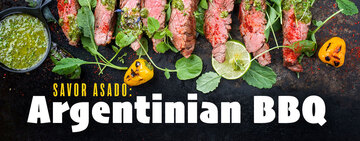
What Is Asado?
The word asado is a multifunctional term that describes the method of barbecuing meat in South America, the meat itself, and the social event associated with the meal. Much like American barbecue, asado has a unique cooking method, cultural traditions, and specialty sauces that accompany it. Whether you’re incorporating traditional Hispanic foods into your menu or catering a barbecue, asados are comprehensive experiences that will delight guests. From its grill to its cultural roots, read on to discover everything you need to know about asado so you can host and prepare your own. Asado Meaning Asado is an American Spanish word that translates to “roasted” or “roast meat”. It is derived from the Spanish word asar, which means “to roast”. However, when people use the word asado, they are often referring to the unique grilling method used to cook Argentinian barbeque, and the vibrant social event Latin American cultures enjoy while preparing asado. Shop All Argentinian Grills Click below to learn more Argentinian BBQ: What Is Argentinian BBQ? Asado Meats What Is Chimichurri Sauce? What to Eat with Asado Where Is Asado From? What Is Argentinian BBQ? Argentinian BBQ is known as asado. To create an authentic asado, you must educate yourself on essential Argentinian BBQ terms. Just like training your kitchen staff on common Spanish restaurant phrases creates an equitable environment, using the correct Spanish phrases when preparing and serving asado honors its mother culture. To cultivate authenticity, learn the top Argentinian BBQ terms below: Asador - The asador is the main chef tasked with tracking the progress of each cut of meat. They must add more fuel to the fire and adjust the heat to accommodate each meat variety. The asador is sometimes referred to as the parrillero. Parilla - The parilla is a unique grill designed for the asado BBQ method. It has two sections, the first contains coal or wood, and the second section houses the metal grill, known as la parilla. Carne a La Parilla - The meats prepared on the parilla grill for an asado are known as carne a la parilla. Con Lena - When the asador uses wood to make the cooking fire, it is called con lena. Asado Criollo - The term Asado criollo describes rustic, traditional events where the meat is prepared with a wood fire and has a smokey flavor. What Is a Parilla? In Argentine cuisine, the word parilla refers to three things: the barbecue grill, the metal grate positioned over the grill’s wood and ember-filled firebox, and steakhouses that serve barbecued meat. A parilla grill is a type of outdoor grill that employs long, low, and slow cooking times, tenderizing even the toughest cuts of meat. However, unlike the traditional American method of smoking meat, parilla grills are open and don’t imbue as much wood smoke flavor as an enclosed offset smoker. Asado Meat Since Argentinian beef is renowned worldwide, it is no surprise that beef is the star asado meat. However, a traditional asado will contain many types of meat, including sausages, pork, and chicken. Asadors usually serve the sausages as appetizers because they take less time to cook than the dense cuts of beef. Occasionally, asadors will grill lamb cuts (cordero) and mutton (oveja) as well. Seasoning is kept simple: just a dash of sal parrillera, grilling salt. Added flavor comes from the chimichurri dipping sauce. Discover the traditional asado meats below: Bife Ancho - Rib eye steak Vacio - Flank steak Tira de Asado - Short ribs Lomo - Tenderloin/filet mignon Arrachera - Skirt steak Cerdo - Pork is the second most prevailing type of meat at an asado. The most popular cut of pork for an asado is pork ribs, matambre. Cordero - Lamb Pechugas de Pollo - Chicken breasts What Is Chimichurri? Chimichurri is an uncooked sauce that resembles pesto. At its most basic, chimichurri contains finely chopped herbs, garlic, oil, and vinegar. The most common herbs for chimichurri are parsley, cilantro, and oregano. Chefs choose their heat level by incorporating red pepper flakes or chili peppers. Green chimichurri is the most popular, but there is red chimichurri sauce made with tomatoes or red peppers. Asadors provide chimichurri as a condiment with their grilled meats, and chefs use it as an ingredient in dishes like chimichurri and steak flatbread. What Does Chimichurri Taste Like? Chimichurri has an herbaceous, umami flavor and a smooth mouthfeel. The pungency of the garlic, the tang of the vinegar, and the heat from the chilis are mellowed by the richness of the olive oil and grounded by the cilantro, oregano, and parsley. Where Is Chimichurri From? Chimichurri sauce originated in Argentina, where it is the standard accompaniment to Argentinian barbecued meats. They also use it as an ingredient and as a salad dressing. Chimichurri is very popular in Uruguayan cuisine as well. Back to Top Asado Appetizers Guests naturally get hungry waiting for the meat to grill on the parilla. Discover some of the most beloved asado appetizers you can use to stave off hunger while the asador prepares the main course. Provoleta - A thick slice of provolone-style cheese grilled until it’s browned and bubbling and then served with bread. Empanadas - Small turnovers stuffed with beef, ham and cheese, cheesy spinach/corn, or chicken. Argentinian chefs incorporate chimichurri into their stuffing. Mollejas - Sweetbreads/thymus glands that are marinated in salt and lemon juice before cooking and then served hot atop bread. Argentinian Chorizo - Sausage made with a blend of pork and beef. It isn’t as spicy as its Mexican and Spanish counterparts. Morcilla - A type of Latin American blood sausage. Chinchulines - Grilled, roasted, or fried beef small intestine. Argentine Asado Side Dishes The foundation of any asado is the meat. However, there are specialty Argentine asado side dishes. Since the main course contains heavy proteins, asado side dishes are usually lighter, vegetable-forward foods. Ensalada - A simple tomato and lettuce salad. Ensalada de Papas - Salad comprised of potato, onion, and mayonnaise. Grilled Vegetables Served with Chimichurri Sauce - Seasonal vegetables grilled and then sauced with chimichurri. Argentine Grilled Potatoes - Potatoes tossed in Argentine aji molido (ground red chile) and served with mayonnaise and smoked paprika dressing. Hearts of Palm Salad - A salad made with hearts of palm, avocado, tomato, orange juice, lime juice, and olive oil. Argentinian Asado While not exclusive to it, asado plays a dominant role in Argentinian culture. Spanish colonizers introduced asado to the Argentine people in the 16th century. The conquistadors brought premium cattle beef to Argentina’s fertile Pampas plains and taught Argentinians their innovative method of preparing this new food source. Asado quickly entwined itself with local culture. Where Is Asado From? Asado originated in Argentina. Today, people enjoy it as an integral part of regional South American cuisines. An asado is considered a traditional event in Argentina, Uruguay, Chile, and Paraguay. Argentina National Dish Asado is the national dish in Argentina. Why Is Asado Considered More than a Dish? Asado is more than a dish because it is the heartbeat of Argentinian culture, embodying its social traditions, history, and world-renowned cuisine. Asado is synonymous with fine dining in Argentina, but asados are also the backbone of family gatherings and celebrations marked by long hours around the grill enjoying good food and fellowship. It is Argentina’s national dish, both because it is their unique delicacy and because it is the fire around which its people commune. Back to Top Asado is a communal food full of hearty, premium cuts of meat served with chimichurri dipping sauce and wholesome sides. Whether you’re catering an event or incorporating global foods into your restaurant menu, Asado is a foolproof way to delight patrons. To complete your asado menu, pair your Argentinian BBQ with rich Malbec wine.
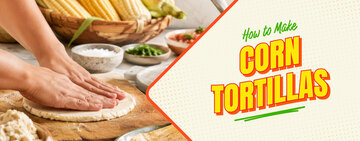
How to Make Corn Tortillas
While there are plenty of great premade tortilla options, nothing beats the warm, wonderful flavor of a freshly pressed corn tortilla. By putting in a little extra effort and making your tortillas from scratch, you can set your restaurant apart from your competitors. Whether you're offering Hispanic Heritage Month specials or opening a Mexican restaurant, follow this recipe to make delicious homemade corn tortillas. Homemade Corn Tortillas Check out our video to learn how to make corn tortillas using just a few simple ingredients: <iframe width="560" height="315" src="https://www.youtube.com/embed/7Bvrdme505Y?si=BQAztW-RoKn5vefl" title="YouTube video player" frameborder="0" allow="accelerometer; autoplay; clipboard-write; encrypted-media; gyroscope; picture-in-picture; web-share" allowfullscreen></iframe> What Special Equipment Do I Need? In addition to kitchen essentials like a mixing bowl, measuring cups, and plastic wrap, there are a few pieces of special equipment you'll need to create corn tortillas. If you plan to incorporate corn tortillas into your menu, these items are worth investing in, because they will expedite the preparation process and create uniformity in the final product. Dough Divider - A dough divider will help you work with the corn tortilla dough and separate it into even pieces. Baker's Dough Scales - For product consistency and quality, use a baker's dough scale for measurements. Tortilla Press - A tortilla press helps you efficiently make uniform tortillas. Corn Tortilla Recipe With just masa harina flour and water, you can make scrumptious corn tortillas. While the dough resting period adds to the total preparation time, the active portion of kneading, dividing, and cooking the tortillas is fast and easy. Yield: 16 to 18 Total Time: 1 hour 30 minutes Corn Tortilla Ingredients 2 cups masa harina flour 1 1/2 cups hot water Directions Mix flour and hot water in bowl. Knead until dough forms, approximately 3 to 5 minutes. Form into a ball and wrap with plastic wrap. Let dough sit for 1 hour. Warm cast iron pan to high heat. Divide dough into (16) to (18) 1 1/2 oz. pieces. Roll each piece into a golf ball-sized globe. Use a tortilla press to flatten dough balls. Cook each side for 30 seconds or until toasted. Repeat this process for each ball of dough. Corn Tortilla Recipe FAQ Making corn tortillas is easy, but knowing how to market them to customers and what you can make with them can still give operators pause. From how they cater to dietary preferences and allergy needs to what you can use them in and for, we answer some of the most frequently asked questions about corn tortillas below. Are Corn Tortillas Gluten Free? Corn tortillas are naturally gluten-free, making them a versatile option for those with gluten sensitivities or celiac disease. Unlike flour tortillas, which are made from wheat flour, corn tortillas are made from masa harina, a type of corn flour. This means that corn tortillas do not contain gluten, providing a safe and delicious alternative for individuals who need to avoid gluten in their diet. If purchasing corn tortillas, always check the package to confirm no wheat flour was added. How Many Carbs in a Corn Tortilla? While the actual carb count depends on the tortilla's size, the average carb count for a 6" corn tortilla ranges between 10 and 15 grams, making it a suitable option for customers looking to manage their carb intake. Incorporating corn tortillas into your menu can provide a healthier alternative for those seeking lower-carb options while still enjoying delicious dishes like tacos, enchiladas, and quesadillas. What Can I Make with Corn Tortillas? Corn tortillas are a versatile ingredient chefs can use in a variety of dishes in commercial kitchens. From classic Mexican cuisine favorites like tacos, enchiladas, and quesadillas to innovative creations like tortilla soup, tostadas, and chilaquiles, the possibilities are endless. Chefs can also fry corn tortillas to make crispy chips for nachos or serve them as a side dish with salsa and guacamole. With their delicious flavor and firm texture, corn tortillas are a staple in many restaurant menus. How Many Calories in a Corn Tortilla? A standard 6" corn tortilla typically contains around 50-60 calories, making it a relatively low-calorie option compared to other types of bread or wraps. When used in moderation and paired with healthy fillings, corn tortillas can be a nutritious and satisfying choice for your menu. By crafting fresh tortillas in-house, restaurants can ensure superior quality, taste, and authenticity in their dishes. Additionally, making corn tortillas from scratch allows you to customize the size and thickness to match your application. A little extra work can go a long way in flavor, quality, and customer satisfaction. <!-- Start Author Bio Block --> Written by Corrinn McCauley Corrinn loves writing, researching, and cooking, so she’s grateful she’s gotten to blend these three passions as a longform writer on the content team at WebstaurantStore for 5 years and counting. Creating resources that help operators succeed and lacing them with entertainment to make them smile is her "why". Learn more about this author and WebstaurantStore's Content Writing Team here! <!-- End Author Bio Block -->